
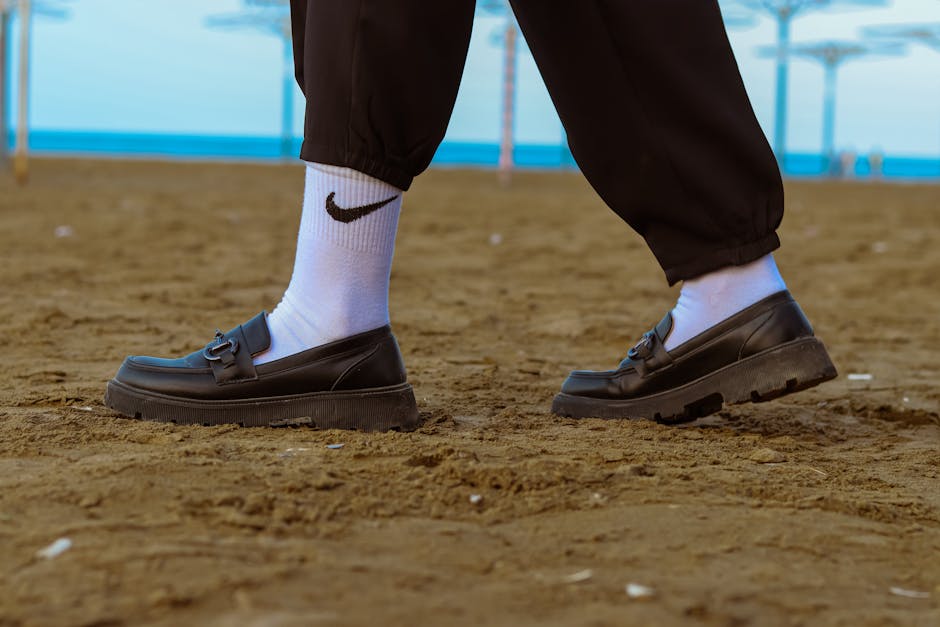
Picture a Friday where you’re heading into a client lunch at noon and meeting friends at a bar by 7 p.m. You need one shoe that doesn’t embarrass you at either stop. That’s the loafer’s actual job — not fashion theory, just practicality.
The problem is the market runs from $60 cemented-sole junk to $1,200 Italian heritage pieces. The price gap doesn’t always explain the quality gap. Some shoes are resoleable and worth keeping for a decade. Others fail at the welt seam in under two years. Knowing the difference before you spend $400 matters more than most reviews will admit.
8 Men’s Loafers Compared Side by Side
Before anything else: a straight comparison of the most relevant options across price tiers. These are real products with current 2026 pricing.
| Model | Price | Construction | Best Use | Resoleable? |
|---|---|---|---|---|
| G.H. Bass Weejun Larson | $155 | Blake stitch | Weekend / casual office | Yes (limited) |
| Cole Haan Pinch Penny | $195 | Cemented | Light casual wear | No |
| Meermin Penny Loafer | $230 | Goodyear welt | Value office shoe | Yes |
| Loake Larchmont | $275 | Goodyear welt | Smart-casual to business | Yes |
| Allen Edmonds Kenilworth | $395 | Goodyear welt | Business / formal | Yes |
| Carmina Penny Loafer | $455 | Goodyear welt | Premium daily driver | Yes |
| Tod’s Gommino | $545 | Hand-stitched moccasin | Travel / casual luxury | Limited |
| J.M. Weston 180 Moccasin | $825 | Hand-sewn moccasin | Investment / heritage | Yes |
A few things stand out immediately. Cemented construction — the Cole Haan Pinch Penny being the most visible example at this price tier — is a dead end if you’re wearing the shoe three or more times a week. Once the sole wears through, the shoe is done. Goodyear welted shoes can be resoled repeatedly by almost any cobbler, which changes the cost-per-wear math significantly over five years. The Meermin entry is the one that surprises most buyers: Goodyear welt construction under $250 is legitimately rare and worth knowing about.
What Actually Separates a Good Loafer from an Expensive Mistake

Most buyers evaluate the upper leather — the part you see. That’s understandable. But the construction method underneath determines buying a shoe or renting one for 18 months.
The Three Construction Methods and What They Mean
Goodyear welt is the most durable method available in dress shoes. A strip of leather called the welt is stitched to both the upper and the insole, then the outsole is separately stitched to the welt. This creates a small air gap that insulates the foot from the ground and allows moisture to escape. The structural benefit for the buyer: any cobbler with basic equipment can resole a Goodyear welted shoe. Allen Edmonds, Loake, Carmina, and Meermin all use this method across their loafer ranges.
Blake stitch runs a single thread through the insole, through the shoe body, and out through the outsole. The result is a slimmer, more flexible shoe that sits closer to the ground — which is why Italian and French shoemakers often prefer it. Blake stitched shoes are resoleable, but you need a Blake stitching machine to do it properly. Not every local cobbler has one. In major cities, this is rarely a problem. In smaller towns, you may need to mail the shoe to a specialist. G.H. Bass Weejuns use Blake stitch; Tod’s Gommino uses a hand-stitched moccasin variant that behaves similarly.
Cemented construction glues the sole directly to the upper. No stitching passes through the shoe. When the sole wears out, there’s nothing to re-stitch to — the bond fails or the sole delaminates from the edge inward. This is standard in sub-$150 shoes and remains common up to $300 in fashion-focused brands. For occasional wear, it’s not catastrophic. For daily wearers, it’s a recurring expense.
Leather Grade: The Difference You Feel After Six Months
Full-grain leather uses the entire outer surface of the hide. Dense, breathable, and it develops a patina as it ages — the creases and shine marks from daily wear actually improve how the shoe looks over years. Carmina, Allen Edmonds, and J.M. Weston all use full-grain calf for their main loafer lines.
Top-grain leather is sanded to remove surface imperfections, then coated for a uniform appearance. Softer and more consistent-looking out of the box, but it doesn’t breathe as well and doesn’t age with character. Corrected-grain has a synthetic coating stamped with an artificial grain pattern. It looks like leather at arm’s length. It feels plasticky up close. Avoid it in anything you plan to wear more than 50 times — the coating begins peeling at stress points around the toe box and heel counter.
Last Shape: Why Comfort Is About Geometry, Not Cushioning
The last is the foot-shaped mold the shoe is built around. Most comfort problems in loafers trace back to last shape, not padding or insole thickness. A narrow, elongated last — like Carmina’s Simpson last — looks sharp on a narrow foot and crushes a wider one. Allen Edmonds’ Modified last is designed for a broader foot profile and fits most men without painful adjustment. Loake’s lasts lean toward medium-to-wide.
Most men size loafers based on their sneaker size. This is usually wrong. Sneakers have generous toe boxes and thick insoles that create extra perceived volume. A loafer on a traditional last has less vertical room in the toe box. If your toes are compressed at your normal size, go up half a size before assuming you need a wider width. If you’re spending more than $300 on your first pair, get measured at a proper shoe store first. It costs nothing and prevents an expensive mistake.
One Clear Pick
The Loake Larchmont at $275. Goodyear welted, full-grain calf leather, available in black and tan, works from smart-casual through most business environments, and resoleable when the sole wears out. It takes a few weeks to break in and it’s not the flashiest thing on the shelf. It has no meaningful weakness at its price point. Start here, then decide if you want to move up or down from it.
If $275 is over budget, the Meermin Penny Loafer at $230 offers the same construction tier. It runs narrow — size up half if you’re between widths.
Five Mistakes That Make Loafer Buyers Regret Their Purchase
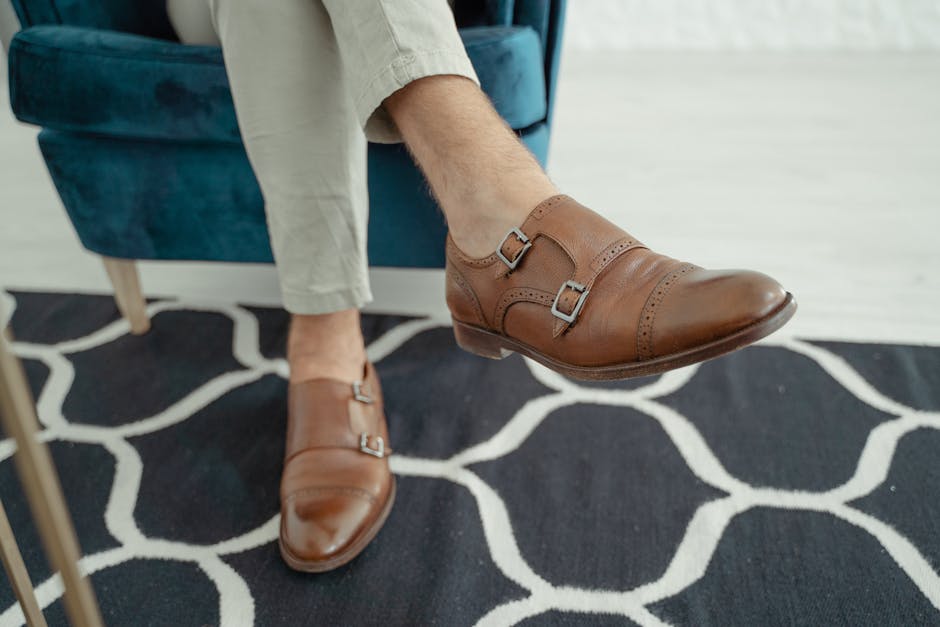
- Choosing cemented soles for daily wear. If you’re putting the shoe on three or more times a week, cemented construction will fail within 18 months under normal use. Spend the extra $50 to access welted construction. Over three years of wear, you’ll spend less total.
- Sizing based on sneaker size. Dress shoe lasts run differently than athletic lasts. When in doubt, go up half. Loafers have no laces to compensate — if it’s too small, it stays too small for the life of the shoe.
- Confusing driving moccasins with dress loafers. A driving shoe is engineered for comfort in a car — the pebble rubber sole and soft, unstructured construction are intentional design features for that context. In a business meeting or smart-casual environment, that same construction reads as underdressed. Know what you’re buying before spending $500 and expecting office versatility.
- Prioritizing a very pointed toe. Sharply pointed loafer toes follow fashion cycles with a roughly five-year shelf life before they read as dated. An almond or slightly rounded toe looked correct in 2026 and still looks correct in 2026. For a shoe you plan to keep for years, buy durable geometry over current trend.
- Starting with suede as your first dress shoe. Suede loafers look better than smooth leather in many casual outfits, but they require suede brush maintenance and a protective spray before first wear. If you’ve never owned dress shoes before, learn on smooth calf. Suede is a second pair, not a starting point.
Which Loafer Style Actually Works Where?
Can you wear a penny loafer to a job interview?
Yes, in most sectors. A black or dark tan penny loafer in smooth calf leather reads as polished without being as stiff as a cap-toe oxford. Pair it with slim trousers and a well-fitted blazer and the shoe won’t be what anyone notices. The exception is highly conservative fields — traditional law firms, investment banking at the analyst level, certain government roles — where the oxford still signals seriousness more clearly. For consulting, tech, creative industries, or most modern corporate environments, a well-made penny loafer is entirely appropriate.
Are tassel loafers too dressy for casual outfits?
This is a persistent misconception. Tassel loafers were originally country-club shoes — a relaxed alternative to the oxford, not a formal upgrade from the penny loafer. With dark, clean jeans and a sport coat, a brown tassel loafer looks intentional. With casual chinos and a plain t-shirt, the shoe can outpace the rest of the outfit. The rest of what you’re wearing determines whether they work — not the tassels themselves.
What is a driving moccasin actually built to do?
The rubber pebble sole that wraps around the heel was originally designed to grip a car pedal without slipping. Outside a vehicle, driving moccasins work fine for short walks on smooth pavement, restaurant dinners, and travel days. They’re not built for extended urban walking, rain, or rough surfaces. The flat sole offers minimal traction on wet stone or uneven pavement. Think of them as refined indoor shoes that happen to function outdoors in fair conditions — not as all-day walking shoes.
The Best Loafer at Every Price Point

There is no single best loafer. There’s a best loafer for your budget, your foot shape, and your lifestyle. Here’s the honest breakdown with no hedging.
Under $200: G.H. Bass Weejun Larson ($155)
The Weejun is the original American penny loafer. Bass introduced it in 1936 and it has been in continuous production since then for a reason. The Larson model uses genuine leather upper and Blake stitch construction. It won’t survive aggressive daily wear for a decade, but for weekend rotation or occasional office use, it’s the most credible sub-$200 option. Stick with the leather-upper versions — Bass makes synthetic variants that look similar and age badly within a year.
$200–$350: Meermin ($230) or Loake Larchmont ($275)
Both are Goodyear welted with full-grain calf uppers. Meermin for the lower entry price and a slimmer, more European silhouette. Loake for easier retail access and a slightly roomier last that fits wider feet without negotiation. Meermin’s sizing runs narrow. If you have a wider foot, the Loake wins by default. If you have a narrower foot and want a sleeker profile at the lower price, Meermin delivers it.
$350–$550: Allen Edmonds Kenilworth ($395) or Carmina Penny Loafer ($455)
The Kenilworth is built on Allen Edmonds’ Modified last, which fits a broad range of foot shapes comfortably. The Carmina uses a more refined European last that fits narrower feet with more precision and looks more elegant from across a room. Both are Goodyear welted and resoleable. Both use full-grain calf and will outlast most shoes you’ve owned with basic maintenance. Pick the Kenilworth if your foot is average to wide. Pick Carmina if you have a narrower foot and want something that reads as more considered.
$550 and Above: J.M. Weston 180 Moccasin ($825)
Hand-sewn in Limoges, France. Stiff for the first 30 to 40 wears, then it molds specifically to your foot. Men who own them tend to keep them for 15 to 20 years. The brown calfskin version is the most versatile across casual and business contexts. This is not the right purchase if you wear dress shoes twice a month. If you wear them consistently and want a pair that improves with time and can be resoled and recrafted by the brand directly, this is the one worth saving toward.
When a Loafer Is the Wrong Shoe Entirely
Loafers have real limits. Worth knowing before you build a wardrobe around them.
For black-tie events, the correct shoe is a patent leather opera pump or a formal oxford. A loafer reads as too casual at that formality level regardless of price.
For extended walking on wet or uneven ground, a derby or Chelsea boot with a substantial rubber outsole holds up better. Most loafer soles are flat and offer minimal traction on slick pavement or cobblestones. You can add a rubber sole guard at a cobbler for $35 to $50, which helps significantly, but it’s an aftermarket fix.
For genuinely cold, wet climates where you need one pair of dress shoes that handles everything, a weatherproofed capped-toe derby or a Chelsea boot in heavier leather is a more practical foundation. Add the loafer for fair-weather months once the basics are covered.
But for the specific situation at the start of this — a client lunch that bleeds into an evening with friends — a well-made loafer remains the most practical answer in most men’s wardrobes. The Friday problem is a real one. A good loafer solves it every time, provided you picked the right one to begin with.