
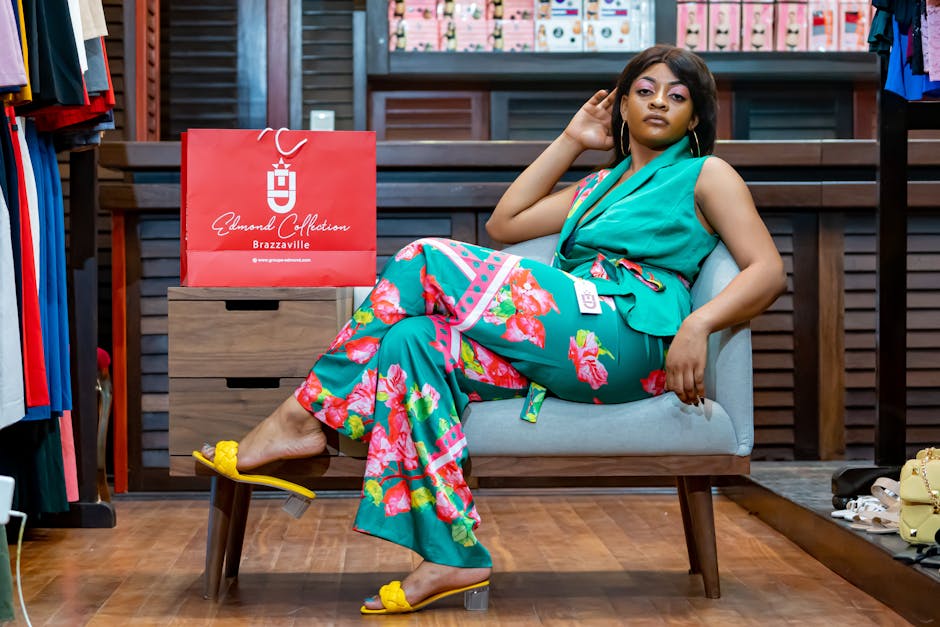
According to recent market data from the Knight Frank Luxury Investment Index, high-end apparel and handbags have consistently outperformed several traditional asset classes, with certain heritage pieces appreciating by over 100% over a ten-year horizon. This financial reality shifts the perspective on luxury fashion from mere consumption to a form of capital preservation. When evaluating top designer outfits, the distinction between a fleeting trend and a lasting staple lies in the intersection of textile science, architectural tailoring, and brand equity. The global luxury apparel market, currently valued at over $70 billion, relies on a consumer base that increasingly prioritizes the structural integrity of a garment over the visibility of a logo.
Acquiring a high-end ensemble requires a systematic approach to understanding fiber content, seam construction, and historical price stability. A garment is not merely a product of design; it is an engineered object intended to maintain its silhouette through years of wear and professional cleaning. This analysis examines the primary components of the modern luxury wardrobe, focusing on the specific brands and silhouettes that define the current market.
Which designer brands offer the highest resale value and longevity?
The secondary market serves as the most accurate barometer for the actual value of a designer outfit. Brands that strictly control their supply chains and avoid seasonal discounting tend to maintain the highest price floors. Data from major resale platforms indicates that a select group of heritage houses—specifically Hermès, Chanel, and Louis Vuitton—consistently command prices near or above their original retail value. This phenomenon, often referred to as “brand insulation,” protects the buyer’s investment against the rapid depreciation typical of fast-fashion or mid-tier contemporary labels.
The Chanel Tweed Suit Specs
The Chanel tweed suit remains a cornerstone of luxury investment. Originally introduced to provide women with the same ease of movement found in menswear, the modern iteration utilizes a proprietary blend of wool, silk, and sometimes ribbon or metallic threads. The construction is notable for its multiple panels—often up to 18 for a single jacket—which allow for precise tailoring adjustments without compromising the overall geometry of the piece.
- Approximate Price: $6,500 – $10,000
- Pros: Exceptional resale retention; weighted silk lining with a signature hem chain for perfect drape; high adjustability.
- Cons: High maintenance requirements; tweed is susceptible to snagging in high-friction areas.
Burberry Heritage Trench Coat Value
The Burberry Kensington or Chelsea trench coat is perhaps the most quantifiable example of a designer outfit staple. Made from cotton gabardine—a fabric invented by Thomas Burberry in 1879—the material is breathable yet weather-resistant due to the tight weave of the yarn rather than a chemical coating. This mechanical water resistance does not degrade over time, unlike synthetic laminates.
- Approximate Price: $2,590
- Pros: Durable 100% cotton gabardine; timeless silhouette; functional features like the storm shield and D-rings.
- Cons: Sizing can be inconsistent between different “fits” (Kensington vs. Chelsea); requires specialized dry cleaning to maintain fabric stiffness.
Market observation: Garments featuring natural fibers like long-staple cotton, mulberry silk, and high-micron cashmere retain structural integrity significantly longer than synthetic blends, directly impacting their long-term valuation.
Building a functional designer capsule wardrobe for professional environments

A strategic approach to designer outfits involves selecting pieces that facilitate multiple configurations. The “capsule” concept, when applied to luxury fashion, focuses on neutral palettes and superior textiles that allow for seamless transitions between professional and social settings. The objective is to minimize the total number of items while maximizing the aesthetic utility of each piece. This requires a focus on “hero” items: the blazer, the overcoat, and the tailored trouser.
Max Mara Madame 101801 Coat Analysis
The Max Mara 101801 coat is a benchmark for the designer overcoat category. Designed in 1981, its proportions have remained unchanged, which is a testament to its design stability. The fabric is a blend of wool and beaver rabbit hair, providing a unique luster and thermal efficiency without excessive weight. The kimono-style sleeves allow for layering over heavy knitwear or structured blazers, making it a versatile component of a winter designer outfit.
- Approximate Price: $4,000
- Pros: Iconic status ensures it never goes out of style; generous cut fits a wide range of body types; high thermal-to-weight ratio.
- Cons: The oversized silhouette can overwhelm smaller frames; the wool/cashmere blend requires careful storage to prevent moth damage.
| Feature | Max Mara 101801 | Competitor Standard |
| :— | :— | :— |
| Fabric | Wool/Cashmere Blend | 100% Wool |
| Stitching | Puntino (Hand-look) | Standard Machine |
| Lining | Viscose Monogram | Polyester |
| Resale Value | 60-70% MSRP | 20-30% MSRP |
Saint Laurent Le Smoking Blazer
For formal and professional versatility, the Saint Laurent Le Smoking jacket is the gold standard. Its sharp, padded shoulders and silk-satin lapels create a silhouette that is both aggressive and refined. The grain de poudre wool used in its construction is a finely pebbled fabric that resists wrinkling, making it ideal for travel or long days of wear. When paired with matching trousers, it constitutes a complete designer outfit that transcends seasonal trends.
- Approximate Price: $3,200
- Pros: Sharp, consistent tailoring; high-durability grain de poudre wool; excellent shoulder structure.
- Cons: Narrow cut in the arms and chest; satin lapels are prone to visible scratches.
Effective wardrobe building also involves identifying the “foundational” layers. Brands like Loro Piana and Brunello Cucinelli specialize in these components, utilizing rare fibers such as vicuña or baby cashmere. While the visual impact of a plain navy sweater may seem minimal, the tactile experience and the longevity of the fiber provide a different kind of value. These pieces do not pill as easily as lower-grade wool and maintain their shape after dozens of wears, provided they are laundered with appropriate care.
Comparing top designer evening outfits for formal dress codes
Evening wear represents the highest level of garment construction, often involving internal corsetry, hand-applied embellishments, and complex draping. When selecting a designer outfit for a formal event, the choice often comes down to the “house style” of the designer. Some prioritize architectural rigidity, while others focus on the fluid movement of the fabric. Understanding these nuances is essential for selecting a garment that complements the wearer’s physical requirements and the event’s formality level.
Comparison of Leading Evening Wear Houses
| Brand | Signature Style | Key Material | Typical Price Point | Best For |
|---|---|---|---|---|
| Alexander McQueen | Architectural, Gothic | Leaf Crepe | $2,500 – $5,000 | Dramatic silhouettes, sharp tailoring |
| Oscar de la Renta | Feminine, Floral | Silk Faille / Tulle | $4,000 – $12,000 | Traditional galas, weddings |
| Tom Ford | Sleek, Glamorous | Silk Velvet / Jersey | $3,500 – $8,000 | Red carpet, high-octane evening events |
| Prada | Minimalist, Intellectual | Re-Nylon / Radzimir | $3,000 – $6,000 | Modern formal, art events |
Alexander McQueen outfits are frequently cited for their “Leaf Crepe” fabric, a heavy-weight synthetic and natural fiber blend that provides a significant amount of stretch while maintaining a crisp edge. This allows for gowns and suits that look rigid but move comfortably. In contrast, Tom Ford’s evening wear often utilizes silk velvet, which has a deeper pile and higher light absorption than cotton-based velvets, resulting in a more saturated color and a more luxurious sheen under artificial lighting.
The internal construction of these outfits is where the price difference is justified. A high-end evening gown from a house like Dior or Valentino will feature a fully integrated bustier with spiral steel boning, which provides support without the need for external undergarments. The seams are typically finished with silk binding (Hong Kong finishes) rather than being overlocked with thread, which prevents irritation against the skin and ensures the garment lies flat.
The Prada Re-Nylon Evening Set
Prada has successfully transitioned industrial materials into the evening wear space. Their Re-Nylon sets—often consisting of a structured top and a full midi skirt—offer a contemporary alternative to traditional silk gowns. The material is made from recycled ocean plastic, but the finish is indistinguishable from high-grade silk technical fabrics.
- Approximate Price: $4,500 (Set)
- Pros: Water and stain resistant; extremely lightweight; modern aesthetic.
- Cons: Synthetic feel may not appeal to traditionalists; can produce a slight “swishing” sound during movement.
Technical specifications and construction standards of luxury apparel

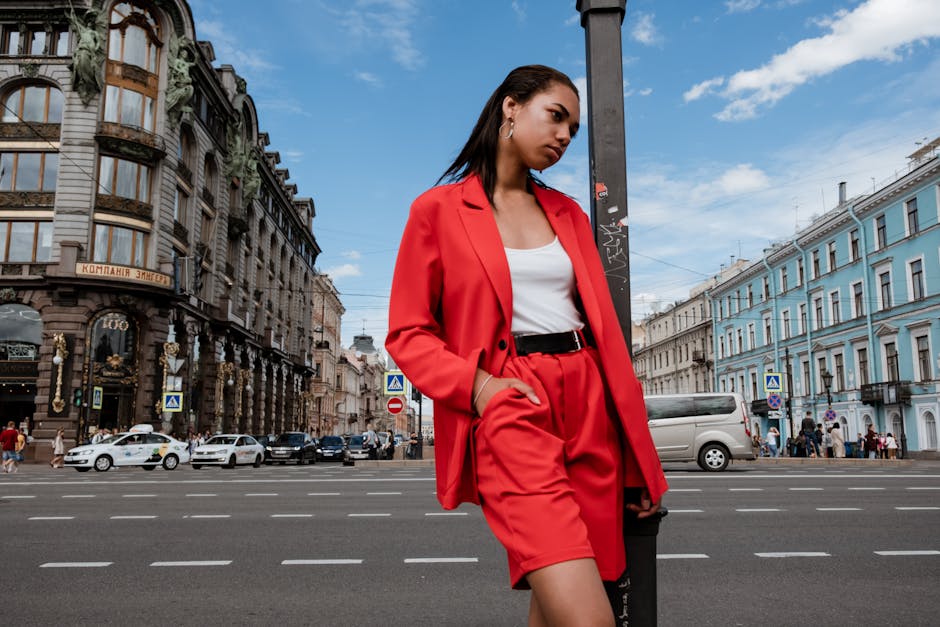
To truly evaluate a top designer outfit, one must look past the aesthetic and examine the technical specifications. Luxury garments are defined by specific manufacturing standards that are absent in mass-market apparel. These details include stitch density, pattern matching at seams, and the quality of the hardware. For instance, a high-quality designer jacket will typically have 12 to 15 stitches per inch, whereas a mass-market alternative may have only 8. Higher stitch density results in a stronger, smoother seam that is less likely to pucker over time.
Understanding Fabric Weights and S-Counts
In tailored designer outfits, particularly menswear and unisex suiting, the “Super” number or S-count is a critical metric. This refers to the fineness of the wool fibers used in the yarn. A Super 100s wool is durable and suitable for daily wear, while a Super 180s or 200s is incredibly soft but much more fragile. The expert choice for a frequent-wear designer suit is typically between Super 120s and 150s, which offers a balance of luxury hand-feel and structural resilience.
Key Indicators of Superior Construction
- Full Canvas Construction: In blazers and coats, a layer of horsehair canvas is stitched between the outer fabric and the lining. This allows the garment to mold to the wearer’s body over time. Lower-end garments use “fused” construction, where the interlining is glued on, eventually leading to bubbling.
- Hand-Finished Buttonholes: Functional buttonholes on jacket sleeves (surgeon’s cuffs) that are stitched by hand indicate a level of attention to detail that machines cannot replicate. The stitching should be slightly irregular but dense.
- Pattern Alignment: On checked or striped designer outfits, the pattern should match perfectly at the shoulder seams, pockets, and lapels. This requires more fabric and more precise cutting, increasing the production cost.
- Mother-of-Pearl or Horn Buttons: Plastic buttons are a sign of cost-cutting. Luxury brands use natural materials like buffalo horn or carved mother-of-pearl, which are more durable and have unique grain patterns.
The weight of the fabric, measured in grams per linear meter (GSM), also dictates the garment’s purpose. A heavy winter coat might utilize 500-700 GSM wool, providing a substantial “shield” against the elements, while a summer designer dress might use a 100 GSM silk chiffon. When evaluating a purchase, matching the GSM to the intended climate is essential for ensuring the outfit remains functional. Heavy fabrics hold a press better and hide body contours, while lighter fabrics offer more drape and breathability.
Ultimately, the value of a designer outfit is determined by how it performs over a decade, not just a season. By focusing on brands with proven resale track records, selecting versatile silhouettes for a capsule wardrobe, and inspecting the technical construction of each piece, a buyer can ensure their fashion choices are both aesthetically successful and financially sound. The move toward “quiet luxury” reinforces this trend, as consumers move away from logos and toward the undeniable quality of superior materials and masterful tailoring.