
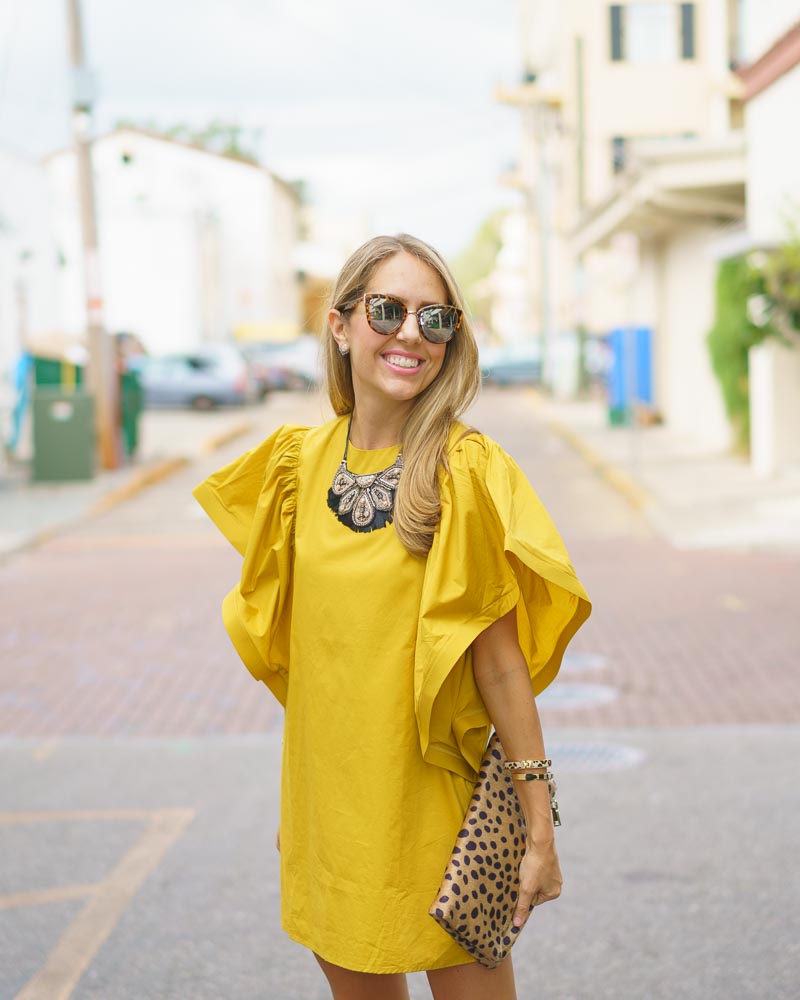
Ever stand in front of a closet packed full of clothes, staring at a sea of options, and still feel like you have absolutely nothing to wear? Been there. More times than I care to admit. For years, I cycled through clothes, buying whatever caught my eye, only to find myself stressed out before work or a casual weekend brunch. It’s a common scenario, one that screams, “Help me create some actual outfit goals for my everyday fashion!” You’re not alone if your closet feels like a graveyard of impulse buys and items that “might come in handy one day.” I used to think more clothes meant more options, but it was the opposite. It just meant more clutter and more decision fatigue. This is how I finally broke that cycle and built a wardrobe that works *for* me, not against me.
Why Your Closet Feels Like a Mess (And Mine Used To Too)
It’s a tale as old as time: you see something cute, it’s on sale, and you convince yourself you need it. Fast forward a few months, and that “cute” top still has the tags on, or you’ve worn it once and realized it’s wildly uncomfortable. The root of the problem isn’t a lack of clothes; it’s a lack of strategy. We buy based on fleeting trends or aspirational versions of ourselves, rather than what genuinely fits our daily lives and personal comfort levels. This leads to a bloated wardrobe full of items that don’t mix, don’t fit, or simply don’t feel like “you.” I learned the hard way that a well-curated closet is about intentional choices, not endless acquisitions. It’s about understanding what you really wear, not what you *think* you should wear.
The “Just in Case” Trap
This is insidious. You know the drill: “I’ll keep this formal dress just in case a black-tie event comes up,” or “These heels are uncomfortable, but I might need them for a specific occasion.” The “just in case” items rarely see the light of day. They take up valuable space, both physically and mentally. I had a whole section of my closet dedicated to “maybe someday” clothes – clothes that didn’t fit my current lifestyle but felt too expensive or too “nice” to let go of. Newsflash: if you’re not wearing it actively, it’s not serving you. My rule now is simple: if I haven’t worn it in a year, or if it doesn’t fit comfortably *right now*, it’s out. No exceptions.
Understanding Your Lifestyle Uniform
Think about your actual week. How many days are you in professional attire? How many are casual? Are you working from home, running errands, chasing kids, or all of the above? For me, 80% of my week is casual: jeans, comfortable tops, and sneakers. The other 20% might be a slightly dressier casual for client meetings or dinners. Once I accepted this, everything changed. I stopped buying things for a fantasy life and started investing in pieces that fit my *real* life. This meant more high-quality denim, versatile knitwear, and functional, stylish shoes. Your lifestyle uniform isn’t about being boring; it’s about being efficient and authentically you. It’s about optimizing for comfort and confidence in your day-to-day.
My Non-Negotiable Rules for Building a Versatile Wardrobe
After years of trial and error, buying things I hated, and wasting money, I’ve distilled my approach to everyday fashion down to a few core principles. These aren’t suggestions; they’re absolute commandments if you want to stop feeling overwhelmed by your closet. Commit to these, and you’ll see a difference almost immediately.
- If it’s not comfortable, don’t buy it. Period. I don’t care how good it looks on the hanger. If it pinches, scratches, or restricts movement, you won’t wear it. I learned this after buying too many “stand still and look pretty” items. They just gather dust.
- Prioritize natural fibers. Cotton, linen, wool, cashmere. They breathe better, feel better against the skin, and often last longer than synthetics. Sure, synthetics have their place (like workout gear), but for everyday wear, natural fibers are a for comfort and quality.
- Embrace a neutral palette (mostly). My wardrobe is 80% neutrals: black, white, grey, navy, tan, olive. This makes mixing and matching effortless. My pops of color come from accessories or one or two statement pieces. This isn’t about being boring; it’s about creating a flexible foundation.
- Every new item must go with at least three existing items. This is the golden rule for building a cohesive capsule. Before I buy anything, I mentally (or physically, if I’m at home) pair it with other clothes I already own. If it doesn’t pass this test, it stays on the rack.
- Invest in quality over quantity. This is probably the hardest one to stick to, especially when fast fashion is so tempting. But a high-quality pair of jeans you wear for five years is a better investment than five cheap pairs that fall apart in a year.
These rules forced me to be more mindful with my purchases, leading to a wardrobe where almost everything works together, and I always feel good in what I’m wearing.
The Actual Basics You Need (Forget Fast Fashion’s Fads)
Everyone talks about “basics,” but what does that even mean? For me, it means foundational pieces that are durable, versatile, and can be dressed up or down. These aren’t trend pieces; they’re the workhorses of your closet. Forget the flimsy, shapeless tees that distort after two washes. Invest in the real deal.
| Item Type | What to Look For | My Go-To Brand/Specific Example | Price Range (Approx.) |
|---|---|---|---|
| Classic White Tee | Thick, opaque cotton, holds its shape, crew neck or v-neck, not too fitted. | Everlane Organic Cotton Crew ($30), Madewell Northside Vintage Tee ($32) | $25 – $50 |
| High-Quality Denim | Minimal stretch (98% cotton/2% elastane for shape), good wash, classic straight-leg or slim fit, mid to high rise. | Levi’s 501 (Original or ’90s fit) ($98), Madewell Perfect Vintage Jean ($135) | $80 – $150 |
| Cashmere/Merino Sweater | 100% cashmere or merino wool, medium weight, classic crew or v-neck, not itchy. | Uniqlo 100% Cashmere Sweater ($99), Everlane Cashmere Crew ($170) | $70 – $200 |
| Versatile White Sneakers | Leather or sturdy canvas, simple design, comfortable for all-day wear, easy to clean. | Veja Esplar Leather Sneakers ($150), Adidas Stan Smith ($90) | $80 – $160 |
| Black Ankle Boots | Leather or suede, comfortable heel height (1-2 inches), sleek silhouette, versatile for pants and skirts. | Blondo Waterproof Boots ($150), Sam Edelman Chelsea Boot ($180) | $100 – $250 |
| Tailored Black Pants | Well-fitting, comfortable fabric (wool blend or quality stretch), straight leg or slim fit, not too corporate. | Aritzia Effortless Pant ($148), Everlane Dream Pant ($88) | $80 – $180 |
These are the pieces that will anchor your everyday outfits. They’re designed to last, to be comfortable, and to pair seamlessly with almost anything else you own. Don’t skimp on these. You’ll thank me later.
How I Avoid Outfit Regret Every Single Morning
The morning rush can be brutal, and nothing adds to the stress like a sudden feeling of “Ugh, this outfit is all wrong.” I used to experience this regularly, often changing my clothes three times before settling on something I still didn’t love. Now, I have a system that minimizes decision fatigue and maximizes my chances of feeling great in what I’m wearing. It’s not about having endless options; it’s about having *good* options that work together. My secret? A combination of planning and simple styling tricks that elevate basics without much effort.
Firstly, I check the weather the night before. This dictates my foundational layers. Is it cold? Then a sweater or flannel is a must. Warm? A lighter top. Secondly, I have a few go-to “outfit formulas” that I rotate. For example: jeans + tee + blazer + sneakers, or tailored pants + knit top + ankle boots. These aren’t rigid uniforms, but templates that I can easily swap pieces in and out of. This reduces the cognitive load drastically. I’m not inventing a whole new look every day; I’m just plugging in different components into a proven structure.
The “Rule of Three” Accessory Trick
This is a simple yet powerful way to elevate any basic outfit. Once you have your core clothing pieces on (say, jeans, a white tee, and a blazer), add three distinct accessories. This could be a watch, a delicate necklace, and a stylish belt. Or a pair of earrings, a ring, and a scarf tied to your bag. The key is *three*. Not one (which can look unfinished), and not five (which can look cluttered). Three intentional accessories make an outfit feel deliberate and polished without overdoing it. It’s a subtle way to add personality and elevate simple pieces like a plain black dress or a casual denim-on-denim look. I keep a small, curated collection of jewelry, belts, and scarves, so I’m not digging through a treasure chest every morning.
Mastering the Layering Game
Layering isn’t just for warmth; it’s for visual interest and versatility. A simple base of a long-sleeve tee can be transformed with an open button-down shirt, then a cardigan, and finally a stylish jacket. Each layer adds depth and allows you to adapt to changing temperatures throughout the day. I often start with a thin base from Uniqlo’s Heattech range in colder months, add a quality knit sweater, and top it with a tailored wool coat. In warmer weather, it might be a linen button-down worn open over a tank top. The trick is to vary textures and lengths. A shorter jacket over a longer top creates a dynamic line. This also helps extend the lifespan of your wardrobe because you can wear lighter pieces year-round by simply adding or removing layers.
Don’t Fall for These Common Style Mistakes (I’ve Made Them All)
Listen, I’ve been there. I’ve bought the cheap version of something I “might” wear, only for it to fall apart instantly. I’ve chased trends that made me look ridiculous. My biggest mistake was thinking more clothes equaled better style. Don’t buy something just because it’s on sale or “trendy” if it doesn’t genuinely fit your personal style or lifestyle. And for the love of all that is comfortable, stop buying shoes that pinch your toes; your feet will thank you.
Investing Smart: Where Your Money Really Makes a Difference
You don’t need to spend a fortune to have great style, but you absolutely need to be strategic about where you *do* spend. Some items are worth splurging on because they get constant wear, elevate everything else, and last for years. These aren’t the “fun” purchases sometimes, but they’re the foundational pieces that make your entire wardrobe more functional and stylish. Think of it as investing in your daily comfort and confidence. For me, these categories are always denim, outerwear, and footwear.
My Go-To Denim Pick
I swear by Levi’s 501s. Specifically, I love the classic 501 Original for a relaxed straight leg, or their ’90s fit for a slightly looser, vintage feel. They’re around $98, but the denim is sturdy, they hold their shape, and they genuinely get better with age. I’ve had pairs for literally a decade. The rise is perfect (usually around 10-11 inches), and they’re the perfect canvas for almost any top or shoe. Don’t fall for the super stretchy, thin denim that sags after an hour; that’s a waste of $40. Spend the extra on a pair that will be a workhorse in your wardrobe.
Footwear That Lasts
Comfortable, versatile shoes are non-negotiable. For everyday sneakers, I recommend Veja Esplar Leather Sneakers ($150). They’re stylish, well-made, and the leather breaks in beautifully. They pair with everything from jeans to casual dresses. If you need something for warmer weather that still feels substantial, Birkenstock Arizona Sandals ($110) are unbeatable for comfort and durability. Their cork footbed molds to your foot, and they can last for years with proper care. Forget constantly replacing cheap canvas sneakers; invest in a pair that supports your feet and your style for seasons. For dressier occasions, I stick to a classic black leather ankle boot, like something from Blondo ($150-$200), because their waterproof feature is a lifesaver, and the classic silhouette never goes out of style.
The Secret to Looking Put-Together Effortlessly
After years of obsessing over fashion, trying every trend, and filling my closet with clothes I didn’t truly love, I discovered the real secret. It’s not about having the most expensive brands or the trendiest pieces. It’s about thoughtful curation, comfort, and knowing yourself. It’s about building a wardrobe that supports your actual life, not an imagined one.
What is the single most important factor for everyday outfits?
It’s comfort, hands down. If an outfit isn’t comfortable, you won’t feel good in it, and you certainly won’t project confidence. This isn’t just about soft fabrics; it’s about fit, ease of movement, and shoes that don’t make you dread walking. Prioritize comfort, and everything else falls into place.
How can I make my outfits feel more ‘me’?
Your unique style comes through in the details and the way you put things together. It’s not about being flashy. It’s the specific cut of your favorite jeans, the way you layer a delicate necklace, the color of your sneakers, or even the subtle print on a scarf. Once you have your comfortable, versatile basics, let your personality shine through in accessories or one distinct item, like a vintage band tee or a quirky bag. Don’t be afraid to experiment within your established comfortable boundaries.
Is it really possible to have a small, functional wardrobe?
Absolutely. In fact, it’s the *only* way I’ve found true peace with my closet. By focusing on high-quality, versatile pieces that fit my lifestyle and adhere to my “goes with three things” rule, I’ve eliminated decision fatigue and closet chaos. My wardrobe is smaller, but my outfit options feel endless, and I genuinely love everything I own. It saves money, time, and mental energy.
The best everyday fashion isn’t about chasing trends; it’s about building a wardrobe that makes you feel confident and comfortable, every single day.