
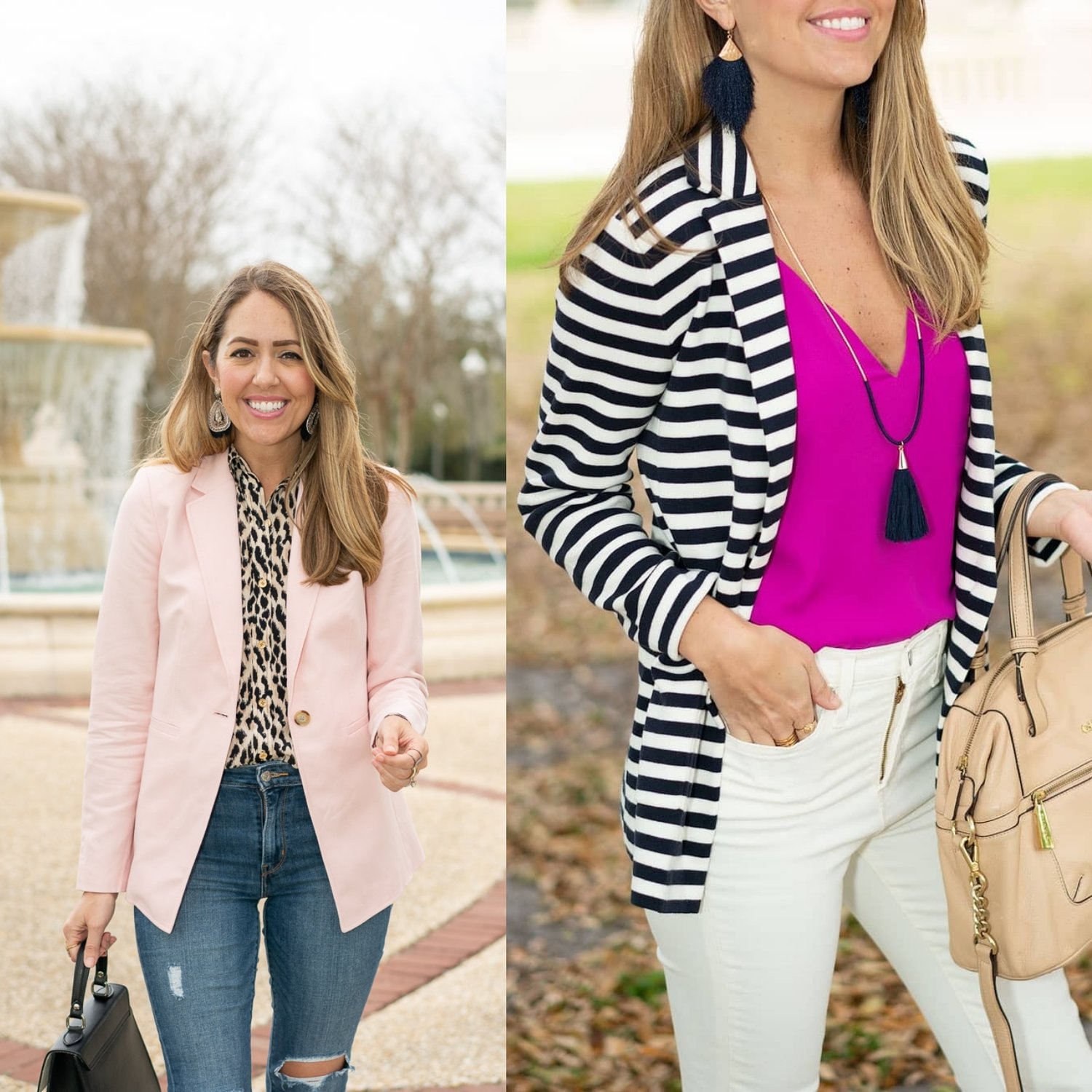
Forget what you think you know about blazers being strictly for the office or formal events. The modern blazer is your most versatile everyday piece. It instantly elevates jeans and a t-shirt, adds polish to a casual dress, and sharpens any outfit without feeling stuffy. But choosing the right one feels like navigating a maze of fabrics, fits, and styles. This guide cuts through the confusion, giving you the precise steps to find your perfect everyday blazer.
Decoding Blazer Fabrics: Material Matters for Daily Wear
The fabric choice for your blazer dictates its drape, comfort, and how it holds up to regular wear. It’s often the most overlooked aspect, yet it’s critical for achieving that effortless, everyday look.
Wool Blends for Structure and Durability
For a blazer that maintains its shape and offers a bit of warmth, wool blends are a top contender. A blend containing 50-70% wool with polyester or rayon is ideal for everyday. This mix provides wool’s natural wrinkle resistance and breathability while the synthetics add durability and often make it more affordable and easier to care for. For instance, a J.Crew ‘Parke’ blazer (often around $200-$350, depending on sales) in a wool blend offers a classic structure suitable for cooler days or adding a sophisticated layer. Look for a smooth, tightly woven finish for a refined appearance, or a slightly textured tweed for a more casual, academic vibe. These blazers typically require dry cleaning, perhaps 2-3 times a year with regular wear.
Linen and Cotton for Breathability
When the weather heats up, or you crave a more relaxed aesthetic, linen and cotton blazers are your best friends. A 100% linen blazer, like those from Frank & Eileen (often $350-$500), offers unmatched breathability and a beautifully natural drape. Expect some charming wrinkles; they’re part of linen’s appeal. Cotton twill or sateen blazers provide a softer structure and are generally more wrinkle-resistant than pure linen. Brands like Everlane often offer great cotton options, such as their ‘Oversized Blazer’ (around $175), perfect for throwing over a tank top and shorts. These fabrics are usually machine washable on a delicate cycle, making them incredibly practical for daily life.
Synthetic Mixes: Value vs. Comfort
Blazers made primarily from polyester, rayon, or spandex blends are often the most budget-friendly. A blazer from Zara or H&M, priced between $50-$100, will frequently use these materials. While they offer good stretch and can be very wrinkle-resistant, pure synthetics can lack breathability and may not drape as elegantly as natural fibers or high-quality blends. Always check the composition tag. A blend with at least 20-30% natural fiber (like cotton or viscose) can significantly improve comfort and feel. These are excellent for experimenting with trends or if you need a specific color without a big investment. Most synthetic blends are machine washable or require minimal hand washing, making them low-maintenance.
The Fit Formula: Where Most People Go Wrong
The biggest mistake people make with blazers isn’t the style or fabric, but the fit. An ill-fitting blazer will undermine any outfit, no matter how expensive or trendy. Here’s a step-by-step guide to nailing the perfect fit:
- Shoulder Seam Alignment: This is non-negotiable. The shoulder seam of the blazer must sit precisely where your natural shoulder ends. If it extends past your shoulder, the blazer is too big and will look sloppy. If it pulls inwards, it’s too small and will restrict movement. This is the hardest part to alter, so get it right in the store.
- Sleeve Length Precision: For an everyday blazer, the sleeve cuff should hit right at your wrist bone, allowing about a quarter to half-inch of your shirt cuff to show if you’re wearing one. Sleeves that are too long will make you look engulfed; too short, and it looks like you’ve outgrown it. This is a relatively easy alteration for a tailor, typically costing $20-$40, so don’t dismiss a blazer you love if the sleeves are just a touch off.
- Torso Taper and Button Placement: When buttoned (for a single-breasted blazer, typically the top button of a two-button style), the blazer should close comfortably without any pulling or creasing across the chest or back. You should be able to slip your hand inside without much effort, but it shouldn’t hang loose. For a two-button blazer, the top button should generally fall around your natural waist. The blazer should lightly skim your torso, offering a flattering silhouette without being restrictive. A tailor can adjust the sides for a better taper, often called ‘taking in the waist,’ which usually runs $30-$60.
- Collar Gap Test: Stand straight and let your arms hang naturally. The blazer’s collar should lie flat against the back of your neck. If there’s a gap between your shirt collar and the blazer collar, or if the blazer collar is bunching, it’s an indication of an improper fit through the shoulders and upper back. This is a complex alteration and often not worth the cost unless the blazer is bespoke.
- Length for Versatility: For an everyday blazer, aim for a length that covers your behind by about one to two inches. This length is versatile enough to be worn with trousers, skirts, or jeans. If it’s too short, it can look like a shrunken jacket; too long, and it ventures into more formal territory.
Unstructured vs. Structured Blazers: Your Daily Wardrobe Verdict
Understanding the internal construction of a blazer is key to choosing one that fits your lifestyle. This isn’t just about formality; it’s about comfort and how the garment drapes.
Key Differences in Construction
| Feature | Unstructured Blazer | Structured Blazer |
|---|---|---|
| Shoulder Pads | Minimal or None | Definite, sometimes thick |
| Lining | Unlined or Half-lined | Fully lined |
| Interfacing/Canvassing | Minimal to None | Present (adds stiffness) |
| Formality | Casual, Relaxed | Formal, Polished |
| Comfort | High, like a cardigan | Medium, more restrictive |
| Drape | Soft, natural, follows body | Sharp, crisp, holds shape |
| Typical Fabrics | Linen, cotton, soft wool | Worsted wool, tweed, blends |
Practical Styling Applications
For your everyday wardrobe, an unstructured blazer is usually the superior choice. Its lack of padding and lining means it’s lighter, more comfortable, and moves with you. Think of it as a sophisticated cardigan. You can easily roll up the sleeves, layer it over a t-shirt, or wear it with jeans and sneakers. It doesn’t scream ‘office.’ Many popular brands like Everlane and Frank & Eileen specialize in this relaxed, yet refined style. The unstructured blazer from Everlane’s ‘The Oversized Blazer’ collection is a prime example, offering a laid-back sophistication at around $175.
A structured blazer, with its padding and full lining, offers a more formal and crisp silhouette. It’s excellent for job interviews, formal presentations, or when you need to project maximum authority. While you can dress it down with jeans, it often feels a bit stiff for true everyday wear. However, a well-tailored structured blazer in a less formal fabric, like a herringbone tweed from J.Crew (often $250-$400), can bridge the gap, offering polish without being overly stiff.
Essential Blazer Styles for Your Closet
You need specific blazers for specific moments. Don’t fall for the trap of thinking one blazer can do it all. My strong recommendation for daily versatility is to start with a classic single-breasted, then add a relaxed double-breasted or a modern boyfriend cut.
The Classic Single-Breasted
This is your workhorse. A single-breasted blazer, typically with one or two buttons, is the most versatile option. It’s clean, universally flattering, and easy to layer. Look for one in a neutral color like black, navy, charcoal, or a versatile tan. For a timeless, well-constructed option without breaking the bank, consider the ‘Going Out Blazer’ from J.Crew (often $200-$350). Its tailored fit makes it suitable for layering over anything from a silk camisole to a thin knit sweater. This style is the foundation of any blazer collection because it transitions seamlessly from casual to slightly more polished settings.
The Relaxed Double-Breasted
Often seen as very formal, the double-breasted blazer has made a huge comeback in a more relaxed, oversized fit. This style, when worn open or with just one button fastened, adds a confident, fashion-forward edge to casual outfits. It’s perfect for making a statement without looking like you’re heading to a board meeting. Zara (prices typically $70-$150) often carries trendy, relaxed double-breasted options in various fabrics. The key is to find one that isn’t too stiff or boxy; it should have a slightly slouchy feel. Pair it with straight-leg jeans and ankle boots for an effortlessly chic look.
The Versatile Boyfriend Blazer
This style is defined by its slightly oversized, relaxed fit, often with broader shoulders and a longer line, mimicking borrowing a blazer from a male partner. It’s fantastic for adding an element of cool to feminine pieces or for creating a comfortable, layered look. Reiss (blazers typically $300-$500) offers premium versions of this style, often in luxurious wool blends, providing a high-quality drape. Alternatively, more accessible brands like H&M (blazers often $50-$100) also feature great boyfriend blazer options for a lower price point. This blazer is ideal for wearing over slip dresses, leggings, or wide-leg trousers, offering a casual yet put-together vibe.
Common Blazer Buying Mistakes to Avoid
Navigating the blazer market can be tricky. Even with all the right information, it’s easy to fall into common traps that lead to buyer’s remorse. Sidestep these pitfalls to ensure you’re making smart purchases that enhance your wardrobe.
Ignoring Fabric Composition
Many shoppers prioritize visual appeal or price over what the fabric tag actually says. A blazer might look great on the hanger, but if it’s 100% polyester with no stretch or breathability, it will likely feel uncomfortable, trap heat, and may not drape well after a few wears. Always check the blend. Prioritize natural fibers (wool, cotton, linen) or blends with a significant percentage of them for comfort, longevity, and a better drape. A cheap fabric that feels stiff or overly shiny in the store will only disappoint you later. Remember, a high-quality fabric will often look better and last longer, making it a better investment over time, even if the initial cost is higher.
Overlooking Alterations
Assuming a blazer must fit perfectly off the rack is a huge mistake. Very few garments are made to fit every body type flawlessly. The shoulders are the most critical part to get right when buying, but sleeves, waist, and even length can almost always be adjusted by a skilled tailor. These adjustments are usually inexpensive (typically $20-$60 for common alterations) and transform an ‘okay’ blazer into a ‘perfect’ one. Factor tailoring costs into your budget. For example, if a blazer is $150 and needs $40 in alterations, consider it a $190 investment in a piece that fits you perfectly, rather than settling for something that’s ‘good enough’ but never truly looks right.
Buying for an Imaginary Lifestyle
It’s easy to get swept up by aspirational fashion images. You might see a celebrity wearing a sharp tweed blazer and decide you need one, only to realize your actual life involves casual weekends and a business-casual office. If you spend most of your time in jeans and sneakers, a heavy, structured wool blazer will likely sit unworn in your closet. Instead, choose blazers that genuinely fit your everyday activities and existing wardrobe. If you commute on public transport, a wrinkle-resistant blend is more practical than pure linen. If you live in a warm climate, prioritize lightweight, breathable fabrics. Buy for the life you have, not the one you wish you had, and your blazers will get far more wear.
Blazer Care: Keeping Your Investment Pristine
Proper care is essential to extend the life of your blazer and keep it looking its best. Ignoring care instructions can quickly ruin the fabric, shape, or color. Follow these practical steps.
Dry Cleaning Frequency
Most structured blazers, especially those made of wool or delicate blends, will require dry cleaning. However, you don’t need to dry clean after every wear. Aim for 2-3 times per year with regular use, or whenever it genuinely looks soiled or starts to smell. Over-dry cleaning can shorten the life of the fabric and fade colors. Between cleanings, air out your blazer by hanging it on a sturdy hanger in a well-ventilated area for a few hours after wearing. This helps to dissipate any odors and allows the fabric to breathe.
Spot Cleaning Techniques
For minor spills or marks, spot cleaning can save you a trip to the dry cleaner. First, identify the fabric. For most wool and synthetic blends, lightly blot the stain with a clean, damp cloth. For oil-based stains, a tiny amount of gentle fabric stain remover (test on an inconspicuous area first, like the inside of a sleeve cuff) can be used. Always blot, never rub, as rubbing can spread the stain or damage the fabric fibers. For delicate fabrics like silk blends, consult a professional or avoid spot cleaning altogether to prevent water marks.
Proper Storage for Longevity
How you store your blazer matters significantly. Never hang a blazer on a thin wire hanger, as this can distort the shoulder shape over time. Invest in wide, contoured hangers, ideally made of cedar, which also naturally deters moths. Button the blazer when hanging it to help it retain its shape. Store blazers in a garment bag if they are going to be stored for an extended period or if your closet is particularly dusty. Keep your closet at a consistent temperature and humidity to prevent mildew or fabric degradation. Avoid stuffing blazers into cramped spaces, as this can cause wrinkles and crush the fabric.
The Perfect Everyday Blazer: A Quick Pick
If you need one blazer that does it all for daily wear, choose an unstructured, single-breasted blazer in a wool or cotton blend, in a neutral color like navy or charcoal. Ensure the shoulders fit perfectly and budget for sleeve length alterations. This choice offers maximum versatility, comfort, and style without feeling overly formal.