
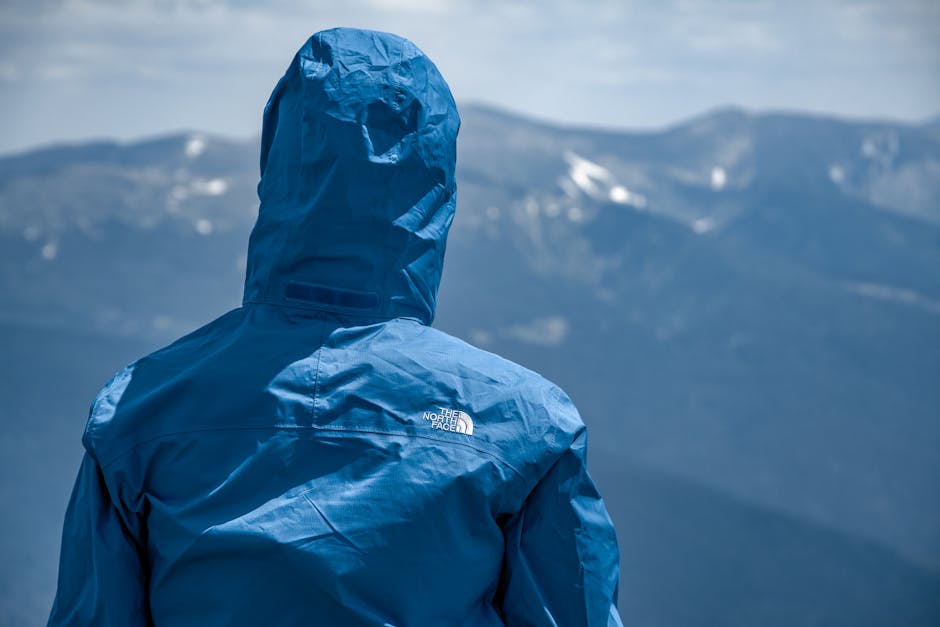
Are you currently staring at a packing list for a trip through the United Kingdom, Scandinavia, or the Swiss Alps and wondering if your standard windbreaker can actually withstand a relentless North Sea squall? It is a common dilemma. Europe’s weather is notoriously fickle, transitioning from a sun-drenched morning in a Parisian cafe to a soaking afternoon downpour before you have even reached the Louvre. Selecting the best rain jacket for Europe requires a nuanced understanding of the balance between technical performance and social versatility.
After analyzing dozens of shell technologies and tracking the performance of major outdoor brands across diverse European terrains, I have found that the “best” jacket depends entirely on your specific itinerary. A jacket that keeps you bone-dry while trekking the West Highland Way in Scotland might be overkill—and far too bulky—for a week of museum-hopping in Berlin. This guide breaks down the top contenders based on material science, real-world packability, and weather resistance metrics.
What makes a rain jacket suitable for European weather?
European climates vary significantly, but they share a common thread: moisture is often accompanied by wind. In coastal regions like Portugal, Ireland, or Norway, you aren’t just dealing with vertical rain; you are dealing with horizontal mist that finds its way into every zipper and seam. A jacket for this environment needs a high hydrostatic head rating—essentially a measure of how much water pressure the fabric can withstand before it leaks. For most European travel, you should look for a rating of at least 10,000mm, though 20,000mm is preferable if you plan on being outdoors for hours at a time.
Breathability is the second, often overlooked, factor. If you are walking the steep hills of Lisbon or hiking in the Italian Dolomites, a jacket that traps heat will leave you soaked from the inside out due to sweat. This is where the distinction between a cheap plastic poncho and a high-quality technical shell becomes apparent. Advanced membranes like Gore-Tex, H2No, or Pertex Shield allow moisture vapor to escape while blocking liquid water from entering. In the humid summers of Central Europe, “pit zips” (underarm zippers) are almost mandatory for manual temperature regulation.
Finally, consider the aesthetic. Europe is a continent where fashion and function often collide. While a bright neon orange mountaineering jacket is perfect for safety in the Alps, it might make you stand out more than you’d like in a refined city center. Many travelers now opt for muted tones—navy, olive, or charcoal—that transition seamlessly from a mountain trail to a bistro table.
How to choose between hard shells and lightweight packables?
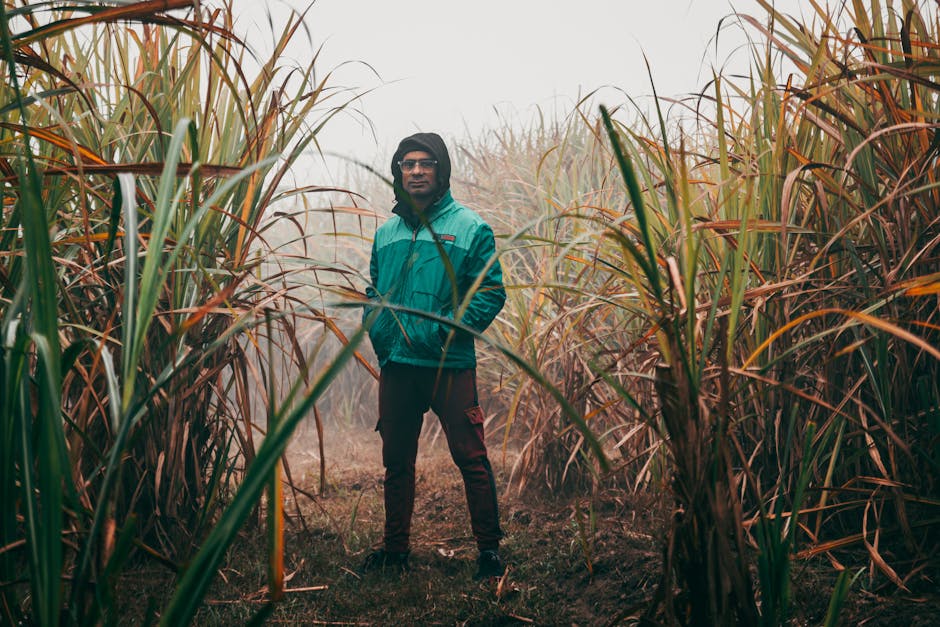
The debate between a dedicated hard shell and a lightweight packable jacket usually comes down to the duration of exposure. If your plan involves short dashes between train stations and hotels, a lightweight 2.5-layer jacket is often sufficient. These jackets are designed to be stuffed into their own pockets, taking up minimal space in a carry-on. However, they rely heavily on a chemical coating called DWR (Durable Water Repellent) which can eventually wet out during prolonged exposure.
On the other hand, a true 3-layer hard shell is a piece of armor. In a 3-layer construction, the waterproof membrane is sandwiched between a durable outer face fabric and a functional inner lining. This protects the membrane from body oils and abrasion, making the jacket more durable and comfortable against the skin. While these are heavier and more expensive, they are the only reliable choice for the unpredictable, heavy rains of the British Isles or the high-altitude storms of the Pyrenees.
Key Differences in Jacket Construction
| Feature | 2.5-Layer (Packable) | 3-Layer (Hard Shell) |
|---|---|---|
| Weight | 250g – 350g | 450g – 600g |
| Durability | Moderate (liner can flake) | High (built for years) |
| Best For | City travel, light hiking | Backpacking, alpine climbing |
| Price Range | $100 – $200 | $300 – $700 |
Best rain jackets for European city travel and sightseeing
When you are navigating the cobblestone streets of Prague or the canals of Amsterdam, you want a jacket that doesn’t scream “tourist” but still offers legitimate protection. The Patagonia Torrentshell 3L (Approx. $179) has become a staple for this exact purpose. It utilizes Patagonia’s proprietary H2No Performance Standard, providing a 3-layer waterproof barrier at a price point usually reserved for lower-quality 2.5-layer jackets. It is stiff enough to feel substantial but packs down reasonably well.
- Model: Patagonia Torrentshell 3L
- Price: ~$179
- Pros: Exceptional value for a 3-layer jacket; recycled face fabric; highly durable.
- Cons: The fabric is somewhat noisy and “crunchy” when walking; the fit is slightly boxy.
Another strong contender for urban environments is the Arc’teryx Fraser Jacket (Approx. $450). This jacket was specifically designed for the “urban explorer.” It uses Gore-Tex fabric with C-Knit backer technology, which makes the interior feel soft like a sweatshirt rather than cold like a raincoat. It features a streamlined silhouette and a hood that provides excellent coverage without looking like a helmet-compatible mountaineering hood. While the price is steep, the craftsmanship and aesthetic are unmatched for city use.
- Model: Arc’teryx Fraser
- Price: ~$450
- Pros: Extremely stylish; quiet fabric; premium Gore-Tex protection.
- Cons: Very expensive; limited pocket space compared to technical shells.
Top performance rain jackets for hiking in the Alps or Highlands

If your European adventure includes the Tour du Mont Blanc or trekking through the Scottish Highlands, your requirements shift toward maximum protection and breathability. The Arc’teryx Beta LT (Approx. $450) is widely regarded as the gold standard for all-around mountain performance. It uses Gore-Tex 3L with a lightweight but tough face fabric that can withstand scraping against granite or navigating thick brush. The hood is fully adjustable, ensuring your peripheral vision isn’t blocked when the wind picks up.
- Model: Arc’teryx Beta LT
- Price: ~$450
- Pros: Perfect balance of weight and durability; excellent hood design; pit zips for ventilation.
- Cons: High demand often leads to limited stock; expensive for casual users.
For those who prioritize mobility and breathability above all else, the Rab Kinetic 2.0 (Approx. $230) is a fascinating alternative. Rab, a British company intimately familiar with wet weather, designed this jacket using their Proflex fabric. It feels more like a softshell—stretchy and soft—but it is fully waterproof. It is the best rain jacket for Europe if you are doing high-output activities like fast-packing or steep mountain ascents where a traditional hard shell would feel too restrictive and hot.
- Model: Rab Kinetic 2.0
- Price: ~$230
- Pros: Incredible stretch and comfort; highly breathable; doesn’t feel like a raincoat.
- Cons: Not as durable against heavy abrasion as a traditional Gore-Tex shell; can feel cold in high winds.
Understanding waterproof ratings and breathability for long days outdoors
To truly find the best rain jacket for Europe, you need to look past the marketing jargon and into the specs. You will often see numbers like 20k/20k. The first number refers to the Hydrostatic Head (waterproofness). A 20,000mm rating means you could theoretically place a square tube over the fabric and fill it with water to a height of 20,000mm before it would leak. In the context of a European storm, 20k is the threshold where you can feel confident staying dry during a full day of rain.
The second number is the Moisture Vapor Transmission Rate (MVTR), which measures breathability. A 20,000g/m²/24h rating is excellent for active use. However, some brands use the RET (Resistance to Evaporative Heat Transfer) scale instead. On this scale, a lower number is better. An RET of less than 6 is considered extremely breathable, while anything over 13 will likely feel clammy during a brisk walk. When researching jackets for the varied altitudes of the Alps, prioritize a low RET or high MVTR to ensure you don’t overheat.
Always remember that even the most expensive Gore-Tex jacket will fail if the outer fabric “wets out.” When the face fabric becomes saturated with water, the moisture from your body cannot escape through the membrane, leading to the “cold and clammy” sensation often mistaken for a leak. Maintaining the DWR coating is essential for the jacket’s performance.
Budget-friendly waterproof jackets that don’t sacrifice quality
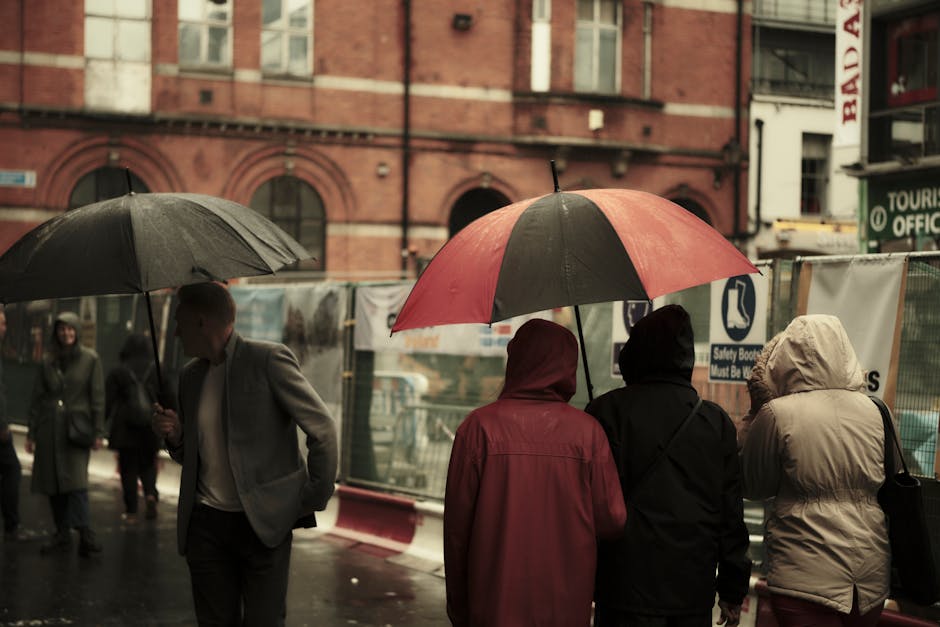
You do not need to spend $500 to stay dry in Europe. If you are on a budget, several options provide legitimate protection without the brand-name markup. The Marmot Minimalist (Approx. $190) has been a favorite for years because it uses Gore-Tex Paclite technology. It is a 2.5-layer jacket that is significantly more durable than its competitors in the same price range. It offers a clean look that works well for both hiking and city sightseeing.
- Model: Marmot Minimalist
- Price: ~$190
- Pros: Uses genuine Gore-Tex; reliable construction; good pocket placement.
- Cons: Paclite can feel a bit sticky against bare skin; hood is not as adjustable as high-end models.
For an even more affordable option, the Black Diamond StormLine Stretch (Approx. $160) is a standout. It features BD.dry technology and a very high degree of stretch, making it incredibly comfortable for active movement. It also packs down into its own pocket, making it an ideal “just in case” layer for a day pack while exploring the Mediterranean coast or the hills of Tuscany.
- Model: Black Diamond StormLine Stretch
- Price: ~$160
- Pros: Very lightweight and packable; great mobility; includes pit zips.
- Cons: 2.5-layer construction isn’t as breathable as 3-layer shells; DWR needs frequent refreshing.
If you are already in Europe, look for a Decathlon store. Their in-house brand, Forclaz, offers jackets like the MT500 which provide 3-layer protection for under €100. While the breathability and fit might not match Arc’teryx, the value-to-performance ratio is unbeatable for a casual traveler.
Maintenance and care tips to keep your jacket waterproof for years
The biggest mistake people make with high-end rain jackets is being afraid to wash them. In reality, dirt, sweat, and smoke clog the pores of the waterproof membrane and degrade the DWR coating. To keep your jacket performing at its peak during a long European trip, you must wash it periodically. Use a dedicated technical wash like Nikwax Tech Wash or Grangers Performance Wash rather than standard household detergents, which contain surfactants that can ruin the water-repellent finish.
After washing, the DWR usually needs to be “reactivated” by heat. Placing your jacket in a dryer on medium heat for 20 minutes is often enough to restore the factory-applied water repellency. If water stops beading on the surface even after a wash and dry, it is time to re-apply a DWR spray. This is a simple process: spray the jacket while damp, then tumble dry. This maintenance routine ensures that your investment continues to protect you whether you are facing a drizzle in London or a blizzard in the Tatras.
Step-by-Step Jacket Restoration
- Close all zippers and hook-and-loop fasteners (Velcro) to prevent snagging.
- Wash with a technical detergent on a gentle cycle with cold or warm water.
- If water repellency has faded, apply a spray-on DWR treatment while the jacket is still wet.
- Tumble dry on a medium setting for 20-30 minutes to activate the treatment.
- Inspect the seam tape on the interior for any peeling or damage.
By choosing the right layer based on your destination and maintaining it properly, you can turn a potentially miserable rainy day into just another part of the adventure. Europe is beautiful in the rain, provided you have the right gear to see it comfortably.