
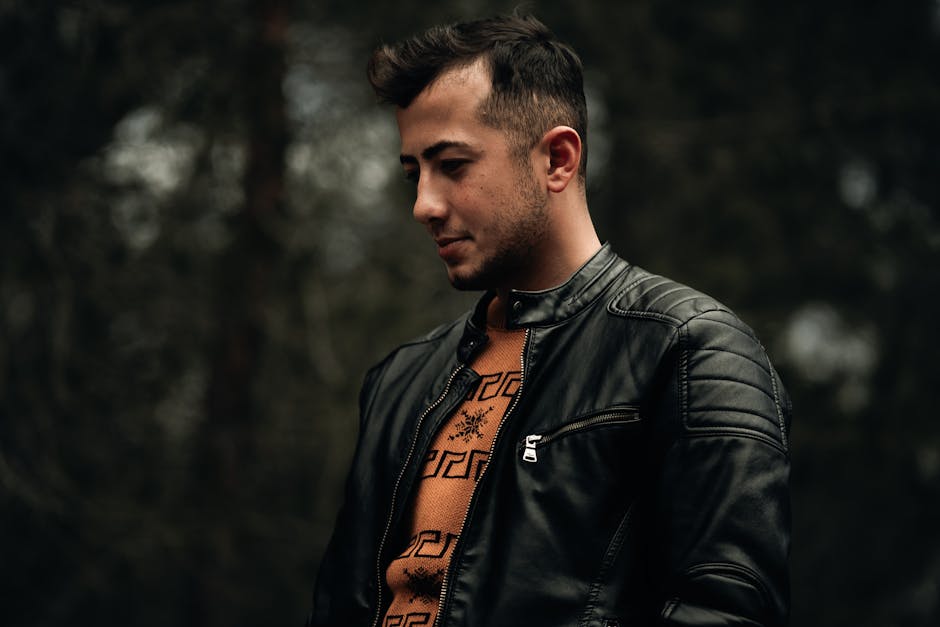
Alright, let’s clear something up right away. I hear it all the time: “Faux leather is just as good, and it’s cheaper!” No. It absolutely is not. After years of buying, wearing, and regretting cheap jackets, I can tell you that fake leather is a false economy. You buy it once, it peels, cracks, and looks sad in a season or two. Then you buy another. And another. You’ve spent more than if you’d just bought a decent real leather jacket from the start. That’s the core mistake I see so many girls make. They want the look, they grab the cheapest option, and they end up frustrated. I’ve been there. Don’t be me in my early twenties.
The Material Misconception: Real vs. Faux Leather
This is where most people go wrong. They see a price tag, see “leather look,” and think they’re getting a deal. What they’re getting is a jacket that will end up in a landfill far too quickly. Genuine leather, when cared for, ages beautifully. It molds to your body, tells a story, and develops a character that simply can’t be faked. Faux leather, on the other hand, is usually made from polyurethane (PU) or polyvinyl chloride (PVC). These materials might feel soft initially, but they lack the breathability, durability, and natural aesthetic of real hides.
I’ve owned plenty of both. My first “leather” jacket was a shiny, stiff pleather disaster from a fast fashion chain. It looked okay for a month, then the elbows started showing wear, the collar peeled, and it just generally looked sad. The investment in a quality real leather piece pays off tenfold in longevity and how it actually wears. It’s not just about ethics; it’s about practical use and style that endures.
Why Faux Leather Falls Apart
The main issue with faux leather is its synthetic nature. Unlike real leather, which is a natural, porous material with interconnected fibers, faux leather is essentially plastic. This means it doesn’t breathe, leading to that sticky feeling on warmer days. More critically, it lacks tensile strength and flexibility. Over time, with repeated bending and stretching (like when you move your arms, sit down, or simply wear it), the plasticizers in the material break down. This causes the dreaded cracking, peeling, and flaking that are the hallmarks of cheap pleather. It’s not a matter of if it will happen, but when.
The Investment of Genuine Leather
Genuine leather, typically lambskin, cowhide, or goatskin for jackets, is a byproduct of the meat industry. It’s a natural, durable material that softens with age and forms a unique patina. Yes, the upfront cost is higher. A decent real leather jacket starts around $200 and can go well into $1000+. But consider this: my AllSaints Balfern jacket, which I bought for around $450 years ago, still looks fantastic. I’ve conditioned it, cleaned it, and it’s only gotten better. A $70 faux leather jacket would have been replaced five or six times over that same period, easily costing more in the long run. It’s about buying once, buying well.
| Feature | Genuine Leather | Faux Leather (PU/PVC) |
|---|---|---|
| Durability | Years, develops patina | Months to 1-2 years, cracks/peels |
| Breathability | Excellent, natural pores | Poor, often feels clammy |
| Feel | Soft, supple, molds to body | Stiff, plastic-y, uniform |
| Aging | Gets better with age, unique character | Degrades, looks worn and cheap |
| Maintenance | Requires conditioning, spot cleaning | Wipe clean, but damage is irreversible |
| Price Range | $200 – $1000+ | $50 – $150 |
Finding the Perfect Fit: It’s Not Just About Size
Once you’re committed to real leather, the next biggest hurdle is fit. I’ve seen so many girls buy a jacket that’s technically their size but just hangs wrong. A leather jacket isn’t like a hoodie; it needs to fit precisely to look right. The wrong fit can make even an expensive jacket look cheap or awkward. My rule of thumb: if it doesn’t feel custom, it’s not the one. You want it to feel like a second skin, but with enough room for movement.
How Shoulder Seams Determine the Vibe
The shoulder seams are the absolute most critical point of fit for any jacket, especially leather. They need to sit exactly where your shoulder ends. If they’re drooping down your arm, the jacket looks too big and sloppy. If they’re pulling inwards, it’s too small and will restrict movement. A well-fitting shoulder creates a crisp, confident silhouette. This is non-negotiable. Don’t compromise here, ever. If the shoulders aren’t right, the rest of the jacket won’t fall correctly either.
Sleeve Length for Optimal Movement
Sleeve length is another common misstep. For a moto or biker jacket, the sleeves should hit right at your wrist bone, or just slightly past it. This allows for full range of motion without the sleeves riding up too high when you reach. Some prefer a slightly longer sleeve that can be cuffed, but for most classic styles, the wrist bone is the sweet spot. Too long, and it looks like you’re wearing someone else’s jacket. Too short, and it looks like you’ve outgrown it. Try on jackets with a thin long-sleeve shirt underneath to get a realistic idea of the sleeve fit and arm movement.
Jacket Styles That Actually Last (and Look Good)
Here’s my strong opinion: **stick to the classics.** Trends come and go, but some leather jacket styles are simply timeless. Don’t fall for overly embellished, studded, or distressed jackets that scream “2023 fashion.” You’re investing in a piece that should last years, so choose wisely. My go-to styles are always the moto and the classic bomber. They have proven their staying power for a reason.
The Unbeatable Moto Jacket
If you’re buying one leather jacket, make it a moto jacket. Specifically, a classic biker style with an asymmetrical zip, a wide collar that snaps down, and maybe a few well-placed zippers. This style is incredibly versatile. It works over a band tee and jeans, or thrown over a slip dress for an edgy contrast. It’s inherently cool, structured, and instantly elevates any outfit. I’ve seen designers try to reinvent it, but the original form factor is still the best. Look for good quality hardware – sturdy zippers and snaps make a huge difference in the jacket’s overall feel and durability.
Bomber Jackets: A Versatile Second Pick
After a moto, a classic leather bomber is my second recommendation. These offer a more relaxed, rounded silhouette, often with ribbed cuffs and hem. They’re fantastic for a slightly more casual vibe, or when you want something that feels a bit less aggressive than a moto. A bomber jacket can be dressed up or down just as easily and offers a different kind of aesthetic appeal. I find them particularly comfortable for everyday wear. Look for a clean, minimalist design; avoid anything with too many patches or unnecessary bulk.
Keeping Your Leather Looking Sharp: Care & Maintenance

A real leather jacket is an investment, and like any investment, it needs care. This isn’t just about making it last; it’s about making it look its best for years. I’ve seen too many beautiful jackets ruined by neglect. It’s not complicated, but it does require a little attention. You can’t just toss it in a pile and expect it to maintain its luster.
How Often Should I Condition My Leather Jacket?
For a jacket worn regularly, I recommend conditioning it every 6-12 months. If you live in a dry climate, or wear it frequently in harsh weather, you might want to do it more often, perhaps every 4-6 months. Think of conditioning like moisturizing your skin. It keeps the leather supple, prevents it from drying out and cracking, and helps maintain its natural oils. Use a good quality leather conditioner, apply it sparingly with a soft cloth, and buff gently. Always test a small, inconspicuous area first.
Can I Wear My Leather Jacket in the Rain?
Ideally, no, you shouldn’t get your leather jacket soaked. Light rain is usually fine – just hang it to air dry naturally away from direct heat. If it gets truly wet, gently blot it with a soft cloth and let it air dry on a padded hanger. Never put it in a dryer or use a hairdryer, as extreme heat can dry out and crack the leather. For extra protection, you can use a waterproofing spray specifically designed for leather, but remember that these can sometimes alter the leather’s finish. I usually just try to avoid downpours entirely.
Best Way to Store Leather Long-Term
When you’re not wearing your leather jacket, proper storage is key. Always hang it on a wide, padded hanger to help maintain its shape – thin wire hangers can distort the shoulders. Store it in a cool, dry place away from direct sunlight, which can fade and dry out the leather. Never store it in plastic bags, as leather needs to breathe; this can lead to mildew. A breathable garment bag is a good option if you’re storing it for an extended period. Make sure it’s clean before putting it away, especially if you’ve been around smoke or strong odors.
My Top Picks: Brands That Deliver on Quality and Style
Okay, it’s time for some specific recommendations. These are brands I’ve personally owned, admired, or confidently recommended to friends. They offer good value for money when you consider the longevity and style you’re getting.
- AllSaints Balfern: My Go-To
Honestly, the AllSaints Balfern Leather Biker Jacket is the gold standard for many. I own one, and it’s fantastic. It’s made from incredibly soft lambskin, has that perfect asymmetrical moto cut, and high-quality hardware. It’s designed to be slightly cropped and fitted, which gives it a really flattering silhouette. The price point is usually around $450-$500, but they often have sales. It’s a significant investment, but the quality, feel, and how it holds up are absolutely worth it. It’s my most complimented piece of outerwear.
- Madewell Washed Leather Motorcycle Jacket: Solid Value
Madewell consistently puts out great quality leather at a more approachable price point than some high-end brands. Their Washed Leather Motorcycle Jacket is often around $350-$400. It’s typically made from a softer, washed lambskin or goat leather, which means it feels broken-in from day one. The styling is classic moto, usually with antique brass hardware. It’s a bit more relaxed than the super-fitted AllSaints options but still very chic and durable. If you’re looking for that sweet spot between quality and cost, Madewell is a strong contender.
- Zara: The Budget Surprise (Sometimes)
Now, I know I just ragged on cheap options, but Zara can occasionally surprise you. Their *real leather* jackets (not the faux ones, which are everywhere) are sometimes decent for the price. You have to be discerning. Look for thicker, more substantial leather, and inspect the stitching and hardware carefully. I’ve seen some solid, minimalist genuine leather biker jackets from Zara in the $200-$250 range. They won’t have the buttery softness of an AllSaints, but they can be a good entry point into real leather if your budget is tight. Just make absolutely sure it’s 100% genuine leather before you buy.
Don’t Overthink It, Just Get the Right One.
Stop chasing fleeting trends or settling for cheap imitations. A great leather jacket is a wardrobe cornerstone for any girl, a piece that should age with you, not fall apart after a few wears. Invest in real leather, choose a classic style, and treat it well. You’ll thank me later.