
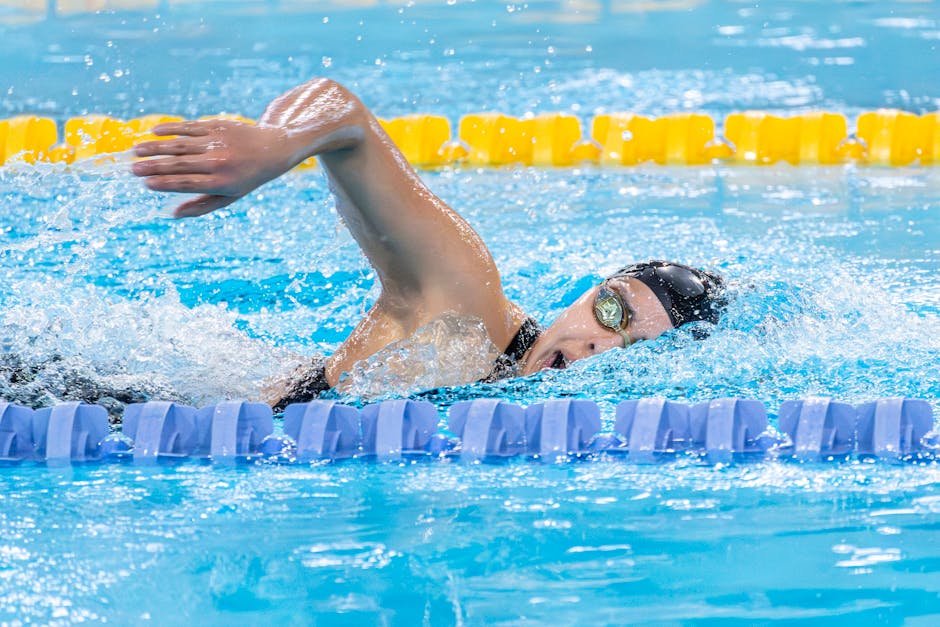
Listen, if your swim goggles are leaking, fogging, or pinching, you’re doing it wrong. There’s no excuse for bad gear ruining a swim. Getting the right pair isn’t rocket science, but it requires knowing what to look for and how to use it.
The Non-Negotiables: Why Fit is Everything
Forget features, forget brands, forget price. If your goggles don’t fit, they’re useless. A perfect seal is the absolute foundation of a good goggle. Anything less is a distraction, a waste of money, and a guaranteed terrible swim. You need a pair that creates a gentle vacuum around your eyes without applying painful pressure. This isn’t about how tight the strap is; it’s about the shape of the goggle skirt conforming to your face.
The “Suction Test” That Matters
Before you even think about putting the strap over your head, try this: hold each goggle cup against your eye sockets. Gently press them onto your face. Release your hands. If the goggles stay put for at least a couple of seconds without any assistance, you’ve found a potential fit. If they immediately fall off, move on. That goggle shape isn’t for your face. This test is non-negotiable. It tells you if the goggle’s gasket (the soft seal around the lens) matches your orbital bone structure. A goggle that passes this test forms a slight vacuum, which is what prevents leaks. Don’t be fooled by the strap; its job is just to keep the goggles in place once a seal is established, not to create the seal itself.
Adjusting Straps Right: Less is More
Once you’ve passed the suction test, then you adjust the strap. And here’s the kicker: most people overtighten their straps. This is a huge mistake. An overtightened strap distorts the goggle’s frame, breaking the very seal you just tested for. It also puts undue pressure on your eyes, causing discomfort, headaches, and those awful red marks. The strap should be just tight enough to keep the goggles secure during dives and turns. If you feel extreme pressure, loosen it. If you’re still getting leaks after passing the suction test and adjusting the strap to be snug but not tight, the goggle simply isn’t for you. Try a different model or brand. For example, Speedo Vanquishers often fit a wide range of faces well for pool swimming, while something like the Aqua Sphere Kayenne offers a larger frame for different face shapes, often favored in open water for comfort.
Nose Bridge Matters: Customization is Key
The nose bridge is just as critical as the eye gasket. Too wide, and the goggle cups will be too far apart, causing leaks. Too narrow, and they’ll pinch uncomfortably, also potentially breaking the seal. Many high-quality goggles come with interchangeable nose bridges of different sizes (S, M, L, XL). Always use them. Experiment. Find the one that allows the eye cups to sit comfortably and squarely on your face, maintaining that perfect suction. Some goggles have fixed nose bridges; if that doesn’t fit your specific face shape, skip them. Don’t compromise here. The TYR Blackhawk, for instance, offers multiple nose pieces in the box for a custom fit, which is why it’s a solid choice for competitive swimmers who need that precision.
Lens Technology: What You Need, What You Don’t

Look, tinted lenses aren’t just for looking cool. Each lens type serves a specific purpose, and picking the wrong one is just asking for trouble. Don’t buy mirrored goggles for an indoor pool, and don’t expect clear lenses to save you from glare in open water. It’s common sense, but people mess this up constantly. Focus on utility, not aesthetics.
Clear vs. Tinted Lenses: Know Your Environment
Clear lenses are your go-to for indoor pools or low-light conditions. They maximize light transmission, giving you the clearest, most natural view possible. If you’re swimming laps at your local YMCA or in a dimly lit rec center pool, this is what you want. Any other lens type here is just making things darker for no reason. For example, a basic Speedo Vanquisher with clear lenses is perfect for this. No frills, just function.
Tinted lenses (like smoke or blue) reduce overall brightness without totally blocking the light. They’re good for moderately bright indoor pools or overcast outdoor conditions. They cut down on harsh reflections from bright overhead lights or a slightly sunny day. Think of them as light sunglasses for your eyes in the water. They offer comfort for longer sessions where clear lenses might cause a bit of eye strain from persistent glare.
Mirrored and Polarized for Outdoor: Fight the Glare
If you swim outdoors, especially in open water or a sunny outdoor pool, you absolutely need mirrored or polarized lenses. Mirrored lenses reflect a significant amount of light away from your eyes, drastically reducing glare. This is crucial for sighting in open water, where sun reflecting off the water’s surface can blind you. Most competitive outdoor swimmers and triathletes rely on mirrored lenses for this exact reason. The Arena Cobra Ultra Mirror is a prime example of a goggle designed with high-quality mirrored lenses for racing outdoors.
Polarized lenses take glare reduction a step further. While mirrored lenses block light, polarized lenses specifically filter out horizontal light waves, which are responsible for the most intense surface glare. This means you get superior clarity and reduced eye strain, making them ideal for long open water swims in bright, sunny conditions. They can be a bit pricier, but if you spend hours staring into bright water, they’re worth the investment. Brands like Zoggs and Aqua Sphere offer excellent polarized options, providing exceptional visibility and comfort.
Anti-Fog Coatings: The Reality
Every goggle claims “anti-fog.” Most of them fail after a few swims. The factory anti-fog coating is a delicate layer. Don’t touch the inside of your goggle lenses. Ever. Don’t wipe them with your finger, a towel, or anything else. Rinse them gently with fresh water after each swim and let them air dry. That’s it. If the factory coating wears off (and it will), you can use anti-fog sprays or drops. Speedo Anti-Fog Solution or Foggies towelettes are decent alternatives, but they require reapplication. Don’t expect miracles; expect maintenance.
The Best Swim Goggles for Every Environment
Stop buying whatever looks cool. Different swims demand different goggles. You wouldn’t wear dress shoes to run a marathon, so don’t use race goggles for a casual dip. Here’s what actually performs where it counts:
- Pool Training Workhorses: Speedo Vanquisher 2.0
This goggle is a classic for a reason. It fits a huge range of faces, offers excellent peripheral vision, and is durable. It’s not fancy, it just works. Available with clear, tinted, or mirrored lenses, so pick based on your pool’s lighting. They typically cost around $20-$25. The silicone gaskets are comfortable for long training sessions, and the multiple nose bridges ensure a decent fit. They’re forgiving and reliable for daily laps. - Open Water Endurance Champs: Aqua Sphere Kayenne
For open water, you need comfort, a wide field of vision, and robust glare protection. The Aqua Sphere Kayenne delivers. Its oversized lenses give you a much better panoramic view, which is vital for sighting buoys or landmarks. The softer silicone skirt is incredibly comfortable for hours of wear, reducing pressure points. Opt for polarized or mirrored lenses for outdoor use. Expect to pay $30-$40. The large, curved lenses truly make a difference in reducing claustrophobia and improving situational awareness in lakes, oceans, or reservoirs. - Race Day Speed Demons: Arena Cobra Ultra Swipe Mirror
When every second counts, you need low-profile, hydrodynamic goggles that won’t budge. The Arena Cobra Ultra Swipe Mirror is the undisputed king here. They sit extremely close to your eye sockets, minimizing drag. The mirrored lenses cut glare aggressively, and the new “Swipe” anti-fog technology actually works better than most, reactivating with a gentle swipe of your finger. They are more expensive, usually $50-$65, and the fit is tighter, but for competition, they’re unmatched. The peripheral vision is tighter than training goggles, but for looking forward and minimizing drag, they are superior. - Budget-Friendly All-Rounder: TYR Blackhawk Racing Mirrored
If you want a solid all-purpose goggle that performs well in both training and racing without breaking the bank, the TYR Blackhawk is a strong contender. It’s streamlined like a race goggle but offers good comfort for training. The mirrored lenses are effective outdoors, and the multiple nose pieces allow for a good fit. They typically retail for $25-$35. It’s a versatile option if you only want one pair for various conditions.
Maintenance: Don’t Ruin Your Goggles Early

You spent good money on these things, so don’t treat them like disposable plastic. Proper care extends their life, maintains their anti-fog properties, and keeps your vision clear. Neglect them, and you’ll be buying new ones every few months. It’s simple, but people consistently screw it up.
Q: What’s the best way to clean my goggles after a swim?
A: Immediately after your swim, rinse your goggles thoroughly with fresh, cool water. Don’t use hot water, as it can degrade the silicone and anti-fog coating. Just a gentle rinse. Do NOT wipe the inside of the lenses. Ever. Seriously, don’t touch them. The anti-fog coating is delicate, and any wiping will remove it, leading to instant fogging. If you swim in chlorinated water, rinsing off the chlorine is crucial to prevent material degradation over time. Air dry them completely before storing them.
Q: How should I store my goggles to protect them?
A: Always store your goggles in a protective case. Most good goggles come with one, or you can buy a hard shell case separately for about $10-$15. Throwing them loose in your swim bag is asking for scratches on the lenses and damage to the straps or nose bridge. A case prevents impact, keeps dust off, and protects the lenses from being rubbed against other items in your bag. Keep them out of direct sunlight and extreme temperatures, especially in your car, as heat can warp the silicone and dry out coatings.
Q: My anti-fog isn’t working anymore. Can I fix it?
A: Yes, to a degree. Once the factory anti-fog coating inevitably wears off (which it will, usually after a few weeks or months), you’ll need to reapply an anti-fog solution. There are several good products on the market, like Speedo Anti-Fog Solution or TYR Anti-Fog Spray. Apply a small drop to the inside of each lens, gently spread it with your finger (this is the *only* time you should touch the inside), rinse quickly, and you’re good to go. You can also use a very mild baby shampoo solution (diluted) in a pinch, but dedicated anti-fog products work best. Reapply as needed, typically every few swims.
My Top Picks: A Quick Breakdown
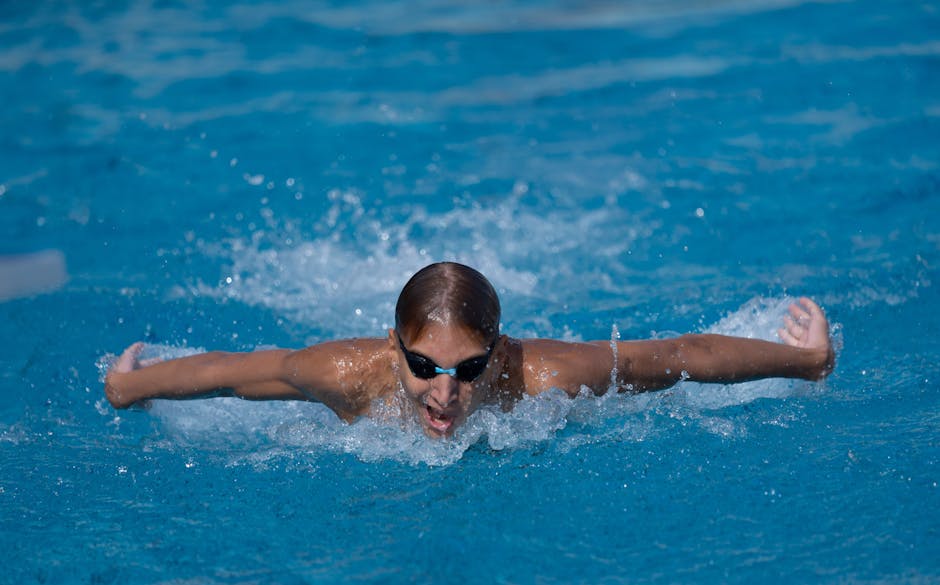
Here’s the straight dope. Don’t overthink it. These are the clear winners for specific needs. Pick one and swim.
| Category | Top Pick | Key Feature | Price Range |
|---|---|---|---|
| All-Around Pool Training | Speedo Vanquisher 2.0 | Reliable fit, durable, versatile lenses. | $20 – $25 |
| Open Water Comfort & Vision | Aqua Sphere Kayenne (Polarized/Mirrored) | Wide field of view, superior comfort for long swims. | $30 – $40 |
| Race Day Performance | Arena Cobra Ultra Swipe Mirror | Low drag, secure fit, effective anti-fog. | $50 – $65 |
| Best Value All-Purpose | TYR Blackhawk Racing Mirrored | Streamlined, good fit, effective mirrored lenses. | $25 – $35 |